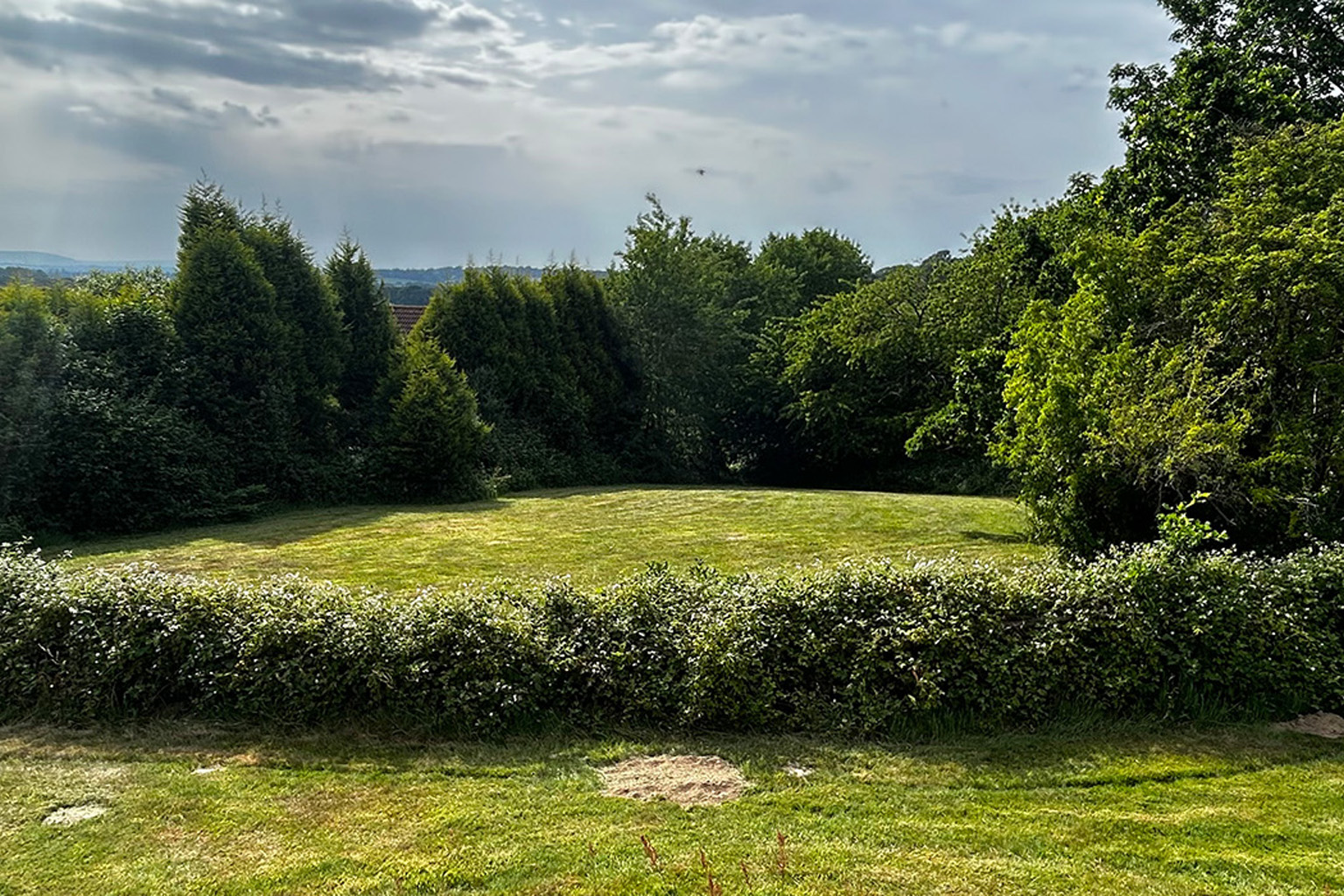
A site can look valuable long before it is actually developable. A large garden, a redundant commercial building, or an open parcel beside existing homes may appear to offer an obvious opportunity. But knowing how to appraise a site means testing that opportunity against planning policy, physical constraints, costs, market demand, and the time required to bring a project forward.
The purpose of an appraisal is not to produce the highest possible number. It is to establish a realistic range of value and a clear route forward. For a landowner, that can mean deciding whether to sell now, seek planning approval first, or partner with a developer. For a buyer, it means understanding what can genuinely be delivered before committing capital.
Start with the right question
A site appraisal should begin with a clear commercial question. Are you trying to establish what a site is worth today? Are you assessing whether it is worth buying subject to approvals? Or are you deciding whether a planning application could add enough value to justify the cost and risk?
Those questions may lead to different answers. Land with no approvals may still be attractive to a developer if the planning case is credible and the purchase price reflects uncertainty. Equally, spending money on an application is not always the best route for an owner. If the likely increase in value is modest, or the planning risk is high, a well-managed sale with clear supporting information may be the more sensible decision.
Define the proposed use early. Residential development is often the starting point, but the appropriate scheme may be apartments, townhomes, senior housing, mixed use, storage, or a modest commercial project. Value follows the most viable use, not simply the most ambitious one.
How to appraise a site: test planning and zoning first
Planning or zoning potential is usually the first major value driver, but it should never be reduced to a simple question of whether nearby land has been developed. Context matters.
Review the adopted local plan, zoning designation, site allocations, density guidance, design standards, and any relevant neighborhood policies. Then look at recent approvals and refusals nearby. They offer useful evidence, but they do not guarantee the same outcome on your site. A proposal approved on one block may have had better access, fewer overlooking issues, a different topography, or a policy position that no longer applies.
It is also essential to identify restrictions that can affect both the principle and scale of development. These may include conservation areas, flood risk, historic designations, protected trees, environmental constraints, utility easements, highway limitations, or restrictive covenants. Some constraints can be managed. Others can fundamentally change the scheme.
A practical appraisal distinguishes between a site that is theoretically capable of development and one that has a credible path to approval. That distinction is where many inflated land valuations begin to unravel.
Do not assume the maximum unit count is the best scheme
A larger scheme may create a higher headline gross development value, but that does not automatically make it more valuable. Extra units can require a more complex access arrangement, structured parking, larger service areas, higher affordable housing contributions, or a longer and riskier approval process.
The best development concept is often the one that balances land use efficiency with deliverability. A smaller project with straightforward construction, reliable buyer demand, and a realistic approval route can produce a stronger residual land value than an overdeveloped proposal.
Inspect the site as a development problem, not just a parcel of land
Desk research is useful, but a site visit is where many important issues become clear. Access width, neighboring windows, changes in level, drainage patterns, trees, overhead lines, visible contamination, and the position of existing services can all affect what can be built and what it will cost.
Pay close attention to access. A site may have road frontage but still lack a safe or adoptable entrance for the intended scale of development. Visibility splays, turning space, pedestrian safety, and construction access can all become material issues. In urban infill locations, rights of way and shared driveways can be equally important.
Ground conditions deserve early consideration too. Previous industrial use, made ground, steep slopes, poor drainage, or the need for retaining structures can have a substantial effect on the budget. These issues do not always prevent development, but they should not be treated as minor details to solve later.
At this stage, an appraisal should identify what needs further investigation. A topographical survey, utilities search, tree survey, flood assessment, environmental report, or geotechnical work may be necessary before an offer is made or an application is submitted. The right level of due diligence depends on the site and the proposed use. Not every parcel needs every report immediately, but ignoring obvious risks is rarely a cost saving.
Build the numbers from the completed project backward
Once there is a credible development concept, test the financial case. This is normally done through a residual appraisal: estimate the value of the completed development, deduct all costs, an appropriate developer profit, and a contingency, then see what remains for the land.
The key inputs should include sales values or rental values, construction costs, professional fees, financing, sales costs, taxes, approvals, surveys, utility upgrades, demolition, abnormal works, and contingency. The land value is not a fixed starting point. It is the result after the real cost of delivering the project has been recognized.
Comparable evidence is central, but use the right comparables. For a residential scheme, analyze recent sales of genuinely similar new-build homes in the same local market, adjusted for size, specification, parking, outdoor space, and tenure. Asking prices can help indicate market positioning, but completed transactions are more reliable evidence of value.
Construction costs need the same discipline. A simple build-rate assumption may be adequate for an early screen, but it can be misleading on constrained sites. Basements, tight urban logistics, remediation, retaining walls, drainage works, and difficult connections can quickly erode margin. It is better to use cautious assumptions and be pleasantly surprised than to base a land decision on a best-case budget.
Stress-test the appraisal
A credible appraisal should not work only under perfect conditions. Test what happens if sales values fall, build costs rise, approvals take longer, interest rates increase, or the unit count is reduced. A project with a healthy margin after reasonable sensitivity testing is far more attractive than one that only works at the top end of the market.
This is particularly important when buying land. If the numbers are tight before survey findings, planning negotiations, and financing costs are known, the agreed price may be too high. A lower land offer is not pessimism. It is often the only way to protect the viability of the project.
Put the value in the context of risk and deal structure
Two sites with similar potential can justify very different prices because the risks are different. A site with detailed approvals, clear access, available utilities, and a straightforward construction brief is usually more valuable than a site requiring a contentious rezoning or several costly technical solutions.
Deal terms can also change the answer. A landowner may accept a lower initial price for a faster, unconditional sale, or prefer a conditional agreement that offers more upside if approvals are secured. An option, promotion agreement, joint venture, or phased payment structure may suit some owners better than a conventional sale. Each structure allocates planning cost, timing risk, and upside differently.
Confidentiality matters in these discussions. Premature marketing can create noise, attract speculative interest, or set unrealistic expectations before the evidence has been properly tested. A discreet appraisal gives owners and buyers a stronger basis for deciding how, when, and to whom a site should be offered.
Treat the appraisal as a decision tool
A site appraisal is not a glossy brochure or a single headline valuation. It should show the assumptions behind the number, the constraints that need resolving, the likely development route, and the risks that could change the outcome.
For landowners, the most useful result is often a choice between clear strategies: sell the site as it stands, invest in planning work, or pursue a structured arrangement with a development partner. For developers and investors, it is a way to separate an appealing opportunity from a site that will consume time and capital without delivering the expected return.
The strongest next step is usually not to chase the highest estimate. It is to obtain a clear, commercially grounded view of what the site can support, what it will take to deliver it, and which route gives you the best balance of value, risk, and control.